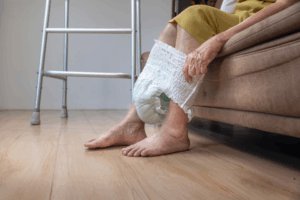
The daily activity of toileting presents one of the most typical difficulties for people living with dementia and their caregivers. When adults need help toileting, it can be embarrassing not only for them but also for the caretakers who are helping them – because toileting is by its very nature a private subject.
For many older people who are determined to continue living in their homes for as long as possible, the need for assistance with common everyday tasks is unavoidable. Many people who provide care for others do their best to deal with this challenge, which requires them to frequently get through the hurdle of awkwardness, particularly when dealing with aging parents.
It is possible to make the restroom process easier for everyone and maintain one’s dignity by identifying and resolving some of the more frequent problems associated with using the restroom and possibly finding some less conventional solutions.
When it comes to handling day-to-day care for a loved one, the obstacles you confront are unlike any others if that person has functional incontinence. Although there is nothing medically wrong with the bladder or urinary system, it becomes more difficult for people who have Alzheimer’s dementia, or a to get to the restroom in time.
Your loved one may experience the urge to urinate even though they do not have the awareness to recognize it or the ability to act on it if they have a neurodegenerative ailment such as Alzheimer’s disease or another type of dementia. As dementia progresses, They won’t necessarily tell you when it’s time to find a bathroom most of the time.
Many people in the United States are living with the effects of Alzheimer’s disease, and more than 11 million people provide unpaid care for loved ones who suffer from the condition. Because there are so many caregivers assisting with the management of toileting needs, here is a list of the most helpful strategies to lessen stress for both you and the person you are caring for.
How to Assist Someone With Dementia to Use the Toilet?
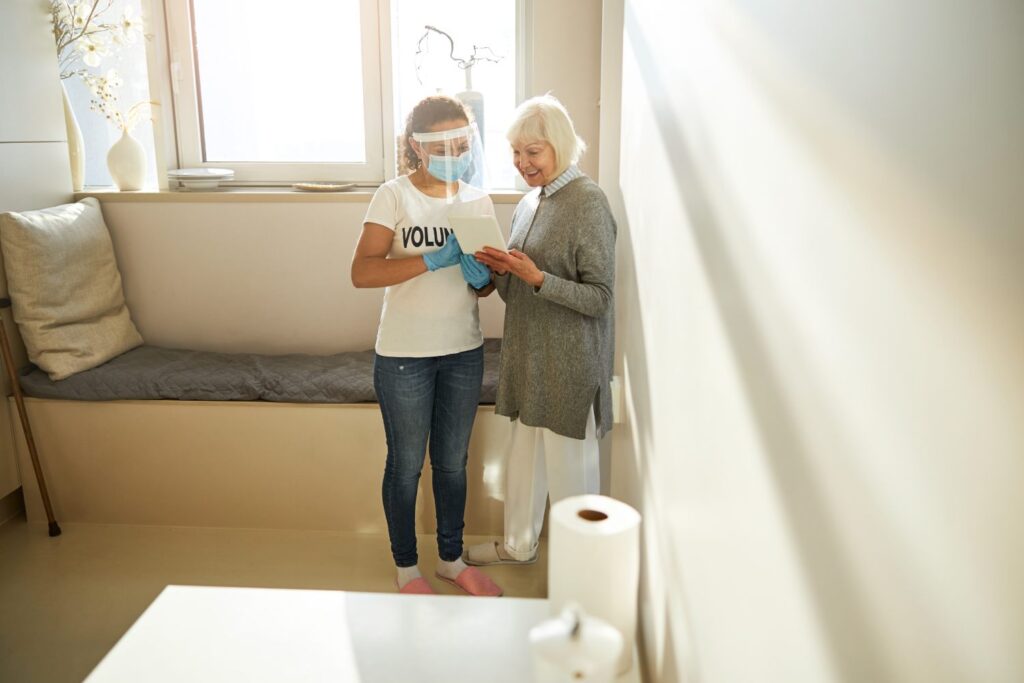
If you’re taking care of someone, there will come a time when your loved one will they require assistance going to the bathroom. It will also take some time to build rapport with the person so you are a trusted person to help them with their toileting tasks.
1. Keep an Eye Out for Clues
If someone you care about is having trouble coping, there’s a good chance they’ve had a few accidents. It’s possible they may even try to hide their accidents by concealing wet or soiled clothing. Dementia can also affect awareness of deficits, which could result in the person not being unaware of the incontinence episodes.The more warnings you’ve had that your loved one’s incontinence may become a problem, the higher the likelihood you’ll need to take action.
2. Bring Up the Topic
Honesty is important, and for some living with dementia this strategy will work, but with others, you may have to try another approach if the person says they don’t need assistance even when they do. You can bring up something specific you notice they have trouble with in general. Maybe it’s their dexterity or hand pain, and they have trouble with fastening clothes. You can say something like “’I’ve know you have been experiencing a lot of hand pain lately, you know I’m here and more than happy to assist. Or something like “It’s so tough to manage these fasteners, mind if I help you with that? Dexterity may be the only issue at first, and a little help unfastening clothes or sitting down on the toilet may be all that’s needed.
‘Can I help you with that top button?’ is how you could phrase things…,”It looks like a lot of work.”
If they are safe in the bathroom, leave the room and remain outside once you’ve offered assistance. Keep an eye on them while also respecting their privacy so that they can call out for help when they need it if they know you’re nearby.
3. Act Like You Know it All
If your loved one is aware that you are having a hard time with this, there is a good chance that they may pick up on your anxiety and become quite stressed out. Therefore, in order to prevent the entire event from being distressing, you should try to put your own sentiments to the side and think of yourself as a character in a play.
For instance, some individuals discover that it is easy to “put on a professional hat” and pretend that they are a nurse or a paid caregiver simply performing their job duties.
4. Prioritize Safety
The two of you could be put at risk by not being able to lift or transfer another adult securely. Encourage your loved one to move independently as much as possible with the appropriate assistive device, if necessary. You should never lift or ask your loved one to pull on you for support. If you have any concerns about their balance, try contacting a physical therapist to see their recommendations for assistive devices such as a cane or walker.
5. Clarify Your Communication
While you are helping your parent onto and off of the toilet, it is helpful to clarify each part in the process using simple commands.
Say something like, “The toilet seat is directly behind you,” for instance. “Sit down slowly.” Alternately, “Move your bottom slightly forward on the seat.” “Now let’s stand up.”
6. Take Your Time
If you are experiencing feelings of embarrassment or discomfort, resist the urge to rush through the work that has to be done. It is crucial to make sure that hygiene is taken care and cleansed properly and so that the person you care for does not get unpleasant sores or infections, including urinary tract infections.
In my experience, I find that using wet wipes or warm soapy water is more effective than using toilet paper for buttock hygiene.
7. Keep Practicing
There is no such thing as a first-time success for anyone, even the most experienced nurses. Don’t be too hard on yourself fret if you make a mistake; all is not lost. Mistakes are part of the process. The more practice you have, the more you will better understand how to effectively help your loved one with toileting tasks and this will hopefully will go much more smoothly the next time.
8. Prepare in Advance
It may take some time for a person who is disoriented to get to the restroom in a safe manner. Plan on making frequent trips to the bathroom, such as shortly after meals, in order to lower the risk of having an accident that requires immediate medical attention. If urine incontinence is a problem for the person, limit the amount of caffeine-containing beverages they consume, especially in the evening.
9. Seek Outside Help
Senior toileting and incontinence care training is something that an occupational therapist can provide for you if you are still a bit uncertain about what you are doing. There are also home care agencies where you can hire a professional caregiver to help your loved one with toileting needs.
10. Do Not Belittle Your Loved One
No matter how stressed you are, you should make an effort to avoid making them feel ashamed. The likelihood of them having an incontinence episode increases if they become anxious.
Tips to Assist Your Loved One to Use the Toilet
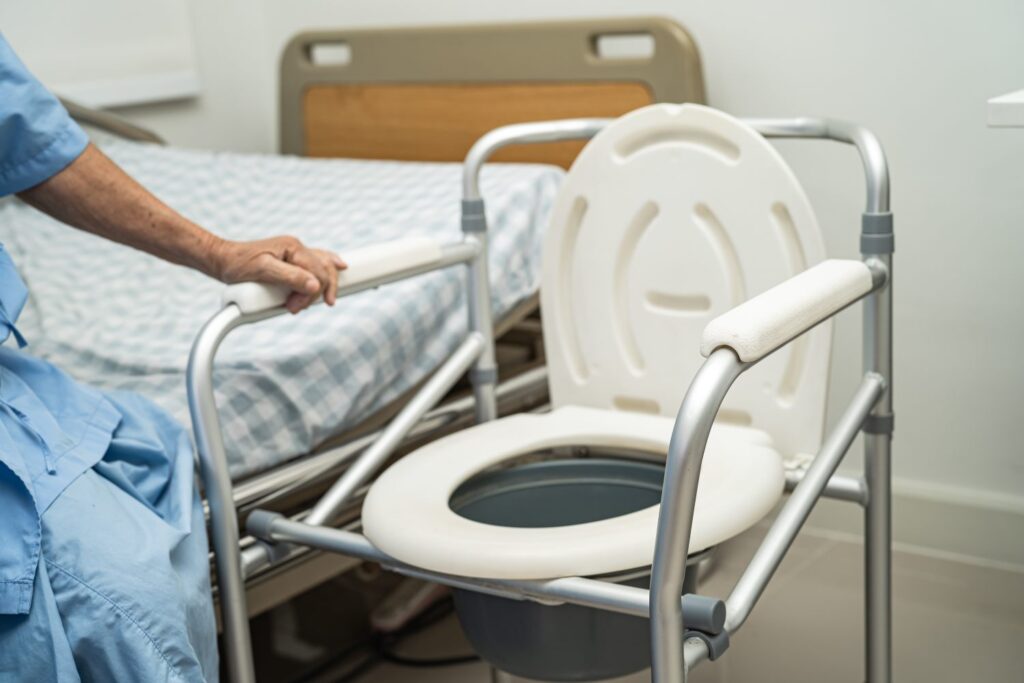
To help your loved one with dementia use the bathroom, here are some simple steps you can take.
- Once they’ve performed the task of getting their clothing down, assist them in finding a comfortable position on the toilet.
- If you are concerned about their safety, you should keep an eye on them while they’re sitting down so that you can intervene if needed. Install a grab rail next to the toilet if you can, in case they need it.
- Do what they’re used to doing. They may feel more relaxed if they converse while using the restroom, but it’s perfectly acceptable if they prefer to remain silent. Be quiet if you believe your presence is causing them discomfort. If they are safe to sit on the toilet, and for you to step out for a few minutes, consider this as an option.
Get things in the bathroom organized and ready.
- Prior to the completion, ensure you have everything you require nearby. When it comes to personal hygiene, you can use wet wipes, warm soapy water, toilet paper, a soft towel, and clean underwear if needed. Some seniors prefer soapy water, but wet wipes are also an option.
- Allow the person to complete as much of their hygiene as they can on their own, and assist with helping them to thoroughly complete.
- You can have them start the hygiene while seated, if this is normally how they perform this part of their routine and something they can still help you with. Once they are standing and holding onto the grab rail, begin wiping. To make sure they’re completely clean, take your time and use some of these tips in your approach!
- Help them redress as soon as their skin is dry. I always make sure I let the individual do as much as they can safely on their own, and then I assist with the remainder of this task.
Summary
When a person has an urgent need to use the restroom or when they have recently soiled their clothes, they may become irritable, fretful, or just plain worried. It may help the person to feel more at ease if you say things to them like “It’s okay” or “These” things happen.”
In fact, an approach along the lines of “I’ve gone through this before, and it’s no big deal” is particularly effective for addressing the issue at hand and getting the individual past the occurrence.
Never scold or yell. No one enjoys the feeling of having no control over their bladder or intestines, and caregivers need to ensure they are using all of the tools they have access to in order to reduce the likelihood of accidents happening.
It is important to keep in mind that the majority of seniors have probably been toileting unassisted their whole lives, and as a result, incontinent episodes can be very frustrating for the individual. The situation is only made worse by the fear of being blamed.
Pay attention to the individual, and modify the assisted toileting method to fit their preferences. One of the many things that individuals who are younger or fully able-bodied take for granted are the fact that every one of us has our own distinct routines when we use the restroom.
How much toilet roll does the average person use during a single visit to the bathroom? Are they able to wipe their hands? Which do they like more, boxers or briefs? Do they like to bring a magazine or newspaper with them when they have to go to the bathroom for a longer period of time?
The individual who needs assistance with toileting may feel somewhat more at ease about the situation if they are able to learn and respond to the routines mentioned above.