Deciding how to bring up the diagnosis of dementia to a loved one who was recently diagnosed depends on the individual and your goals for this specific situation. This really just depends on the individual who was diagnosed & their current level of awareness, and whether or not they are interested in learning more about the diagnosis. We also have to take into consideration where the individual is at in their diagnoses. I find anosognosia tends to become more common as dementia progresses. Damage is happening to the frontal lobe, which can result in decreased awareness or insight of their condition. Often times, this may appear to family members that their loved one is in denial, but really, it’s the damage happening to the brain that impacts the person with dementia’s level of awareness or insight to their condition.
How do you break the news to your parents that they have dementia?
In the earlier stages of dementia, this may be an easier subject to approach with the individual. Breaking the news to your parent that has dementia depends on the individual being affected and also the family member involved. If the person living with dementia wants to learn more about their diagnosis and wants to know if they have dementia, then I think they have a right to know. If learning about a diagnosis of dementia would leave them heartbroken, and you are the medical power of attorney, then this is when you have to decide what’s right for you, your loved one, and your family.
Dementia or Alzheimer’s diagnosis can place an immediate burden on the children & person involved. It’s important to understand the reality of dementia, and to understand the brain changes happening as a result of the damage being done.
There are 2 scenarios I’ve seen in my practice. The first situation being that the person is aware of their cognitive decline and speaks with their doctor regarding these concerns, and then is referred to the neurologist to further address. The second situation is when family members become more aware of their loved one’s cognitive deficits, and are bringing the individual to their primary care physician and/or neurologist to further address. If dementia is diagnosed in this scenario, I find the individual is likely less aware of their deficits and may not understand the reality of the situation. At this point, the dementia may have already progressed to the later part of the early stage and into the middle stage. If that person is unaware they are experiencing deficits and are convinced nothing is wrong with them, then there’s no use in us reminding them or trying to convince them they have a dementia diagnosis. These individuals are most likely experiencing anosognosia.
The physician or specialist may conduct individual or group conversations with the patient concerning the diagnosis, members of the assessment team, and/or members of the patient’s family.
Due to the fact that people’s responses will vary, it is essential to consider every circumstance seriously. You can even contact the doctor to discuss their thoughts & recommendations for your situation.
Things to Take Under Consideration While Informing Someone About Having Dementia
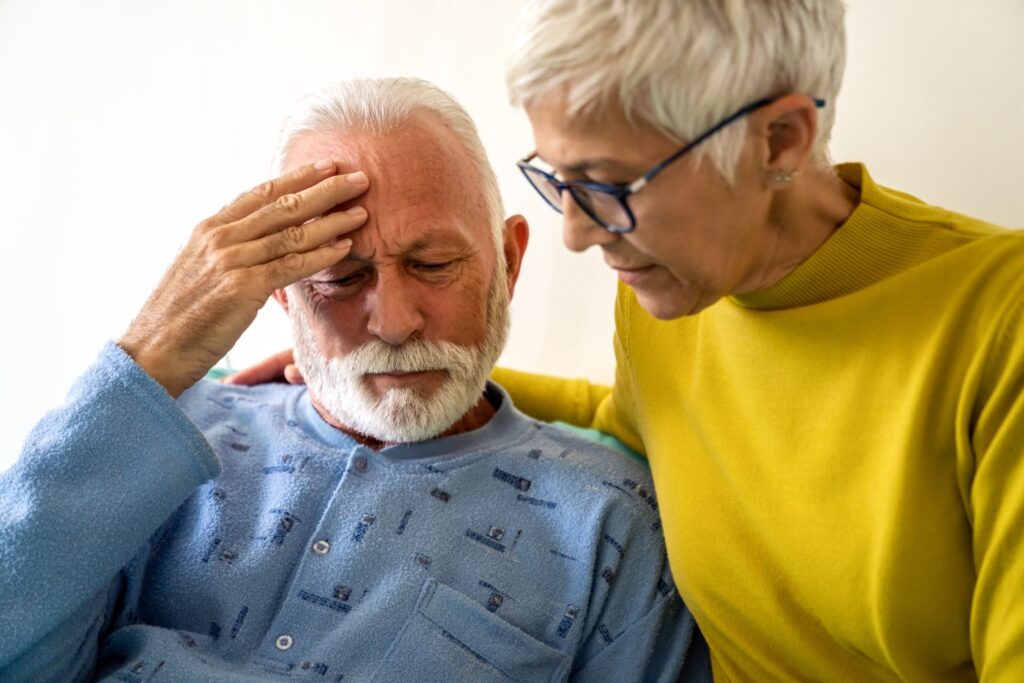
When speaking with a person regarding their diagnosis, the following are some things to take into consideration that will, in general, be useful.
1. Assess The Individuals Wants/Needs
The time immediately following the diagnosis of dementia in a loved one can be an anxious and terrifying time for everyone involved. The diagnosis may be something difficult for both parties to accept.
If dementia is diagnosed early on, It’s possible that the individual with dementia won’t want to tell other people about their diagnosis for fear that doing so will make those others feel awkward when they’re around them. It’s also possible that if diagnosed early on, the individual will want to learn more about their diagnosis. You can even try asking the individual with dementia if a diagnosis of dementia is something they would want to know if they had. If the person is still able to express their needs and is aware of their diagnosis, and wants to learn more, they should be included in the process.
If they are unable to make the decision themselves, you should seek advice from their legal decision-maker. However, if you are in a position to make a legal decision, you should do what is in the individual’s best interests.
2. Put Systems Into Place Early on in The Diagnosis
It doesn’t get any easier to have awkward discussions as time goes on. Because this is a condition that worsens over time, we should get this conversation started as soon as possible before the symptoms get more severe.
Even if a person has Alzheimer’s disease and is already in its early stages, they might still be able to communicate their preferences and have some say in how they will be cared for in the future.
Almost everyone wishes they’d started sooner rather than later. But again, breaking the news of a diagnosis really does depend on the person and family members involved.
There is currently no treatment that may cure dementia or slow down the disease’s progression. But, certain medications can assist in reducing the severity of the disease’s symptoms for a short period of time.
3. Choose a Quiet And a Relaxed Setting to Talk
Pick an environment that is calm and has minimal interruptions. For example, anxiety and confusion are both symptoms that can be brought on by distractions such as unnecessary noises, music, and conversation.
You can avoid having to yell by going somewhere where there is less background noise. Speak in a manner that is soothing, slow, and unmistakable. Give the person you care about the opportunity to process what you are telling them by pausing between statements.
Everyone has a unique method of communication. If you know the other person well, you may be able to figure out what will be most beneficial for them.
You could also consider practicing what you intend to say beforehand so that everything goes more smoothly.
4. Understand That The Talk Might Not go Smoothly
Someone who is experiencing symptoms of dementia might not recognize the signs of the condition in themselves. Your loved one may display symptoms of denial and withdrawal, as well as an unwillingness to discuss the diagnosis, despite its accuracy. Or they might become defensive instead.
When talking to someone with dementia, it’s important, to be honest, but you should also show respect and listen to what they have to say. Ask them whether they have seen any issues with their memory or cognition. If the person displays a lack of awareness of their deficits, then explaining what you have noticed may result in an argument.
While it is essential to be truthful, it is best to avoid conflict wherever possible because it can result in resistance.
The talk should not be forced because it is unlikely to be productive.
5. Lend a Hand
Your loved one will likely be very distressed by the news of a dementia diagnosis. Continue to show your support by listening to them and letting them know you are there for them through this tough time. Y’all may even discuss the option of joining a support group for further support.
6. Don’t Treat Them Like a Child
Do not begin to treat your parents like a child the moment you inform them of their dementia. Always remember that this is still your parent despite the diagnosis of dementia.
7. Be Patient
Your parent’s anxiousness may increase if you try to correct them or scold them for forgetting anything. It’s important to try to remain patient and nice throughout any discussions you have together.
8. How To Say It?
If the dementia diagnosis is discussed with your loved one, here are some things to keep in mind:
Explaining of The Condition And its Symptoms
If the person wants to learn more about their diagnosis, I think it’s important to be honest about the brain changes that are happening as a result of a dementia diagnosis.
Describe the symptoms that a person with dementia is likely to face and the potential course the disease may take.
Acquiring knowledge about dementia can help members of a person’s family and social circle feel more at ease around that person, and better prepare them for the future.
Sharing of Available Resources
Give out educational material produced by groups like the Alzheimer’s Association. Make sure that your loved ones and close friends are aware of any local groups of support that may be available.
Asking For Assistance
Informing your loved ones and friends about the various ways in which they might lend a hand is quite important. Describe how the person’s maintained abilities and skills can benefit from their participation in social activities.
It’s important to understand the person’s current abilities, so then the proper assistance & support systems can be put into place. For example, if the person is in the earlier stages of dementia & requires assistance with medication management, it’s important to find someone to help assist with this.
The Bottom Line
When bringing up a dementia diagnosis to an individual diagnosed with dementia, you should have a better understanding of that person’s level of awareness of this diagnosis. There have been many occasions where I’ve treated individuals who have a diagnosis of dementia, but display something we refer to as anosognosia, which I mentioned earlier in this post.
In these cases, there’s no point in trying to convince the individual they have a diagnosis of dementia. Focusing on that person’s abilities, and activities of interest will help make everyone’s life easier & less frustrating.
Adult children may have a more difficult time accepting the decline associated with a dementia diagnosis, which can make it difficult for them to spend time with the individual. Ambiguous loss & grief is something common my clients experience. This is referred to as grief associated with a dementia diagnosis when that person is still physically there, but is declining cognitively.
Remember that some of your loved ones, including family and friends, may also struggle to accept the prognosis. In spite of your best efforts to assist them, they may be in denial, believe falsehoods about dementia, or experience discomfort.
It is not always easy to break the news to a person’s family and friends that a loved one is diagnosed with dementia. When it comes to assisting others in comprehending the circumstance, offering information and educational materials regarding the brain damage occurring with dementia can go a long way.
References
- https://alzheimersshow.co.uk/telling-someone-you-are-concerned-they-may-have-dementia/
- https://www.dementia.org.au/about-dementia-and-memory-loss/how-can-i-find-out-more/informing-the-person-with-dementia
- https://www.agingcare.com/articles/tell-someone-they-have-alzheimers-disease-159154.htm
- https://www.everydayhealth.com/alzheimers-disease/how-talk-loved-about-signs-alzheimers-disease/
- https://www.seniorsguide.com/alzheimers-dementia/how-to-tell-your-parent-they-have-dementia/
- https://www.mayoclinic.org/healthy-lifestyle/caregivers/in-depth/sharing-alzheimers-diagnosis/art-20043902