*This post is sponsored by First Quality. All thoughts & opinions are my own.*
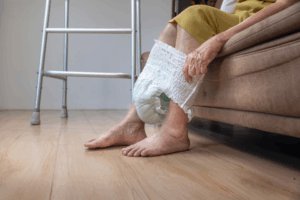
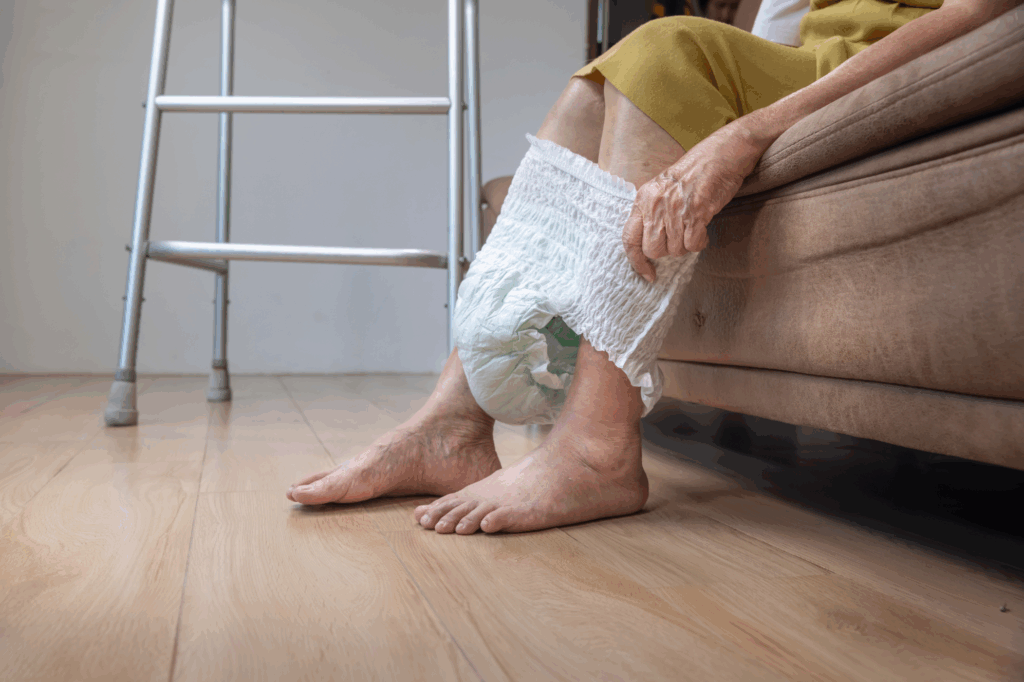
Let’s be real—when we think about the challenges of caregiving, incontinence usually isn’t the
first thing people want to bring up. It feels private, maybe even a little embarrassing. But here’s
the truth: incontinence is so common, and it’s one of the biggest reasons families end up turning
to nursing homes.
In fact, a study published in JAMDA – The Journal of the Post-Acute and Long-Term Care
Medical Association found that urinary incontinence is an independent risk factor for nursing
home placement among assisted living residents, increasing the likelihood of transfer to skilled
nursing facilities by 14% (source). That statistic alone shows how important it is to talk about this issue openly.
Why Talking About Incontinence Feels So Hard
Part of the struggle is that no one talks about it. There’s this stigma around incontinence, and a
lot of times, people with bladder or bowel challenges try to hide it out of embarrassment. So
caregivers are left piecing things together without clear answers.
And here’s something important: incontinence is not just part of “getting older.” It can be
connected to things like urinary tract infections, constipation, weakened pelvic floor muscles,
diabetes, arthritis, Parkinson’s, MS, or even hormonal changes. The key is figuring out what
could be causing the incontinence, because that’s the first step in managing it.
Real Support Makes a Difference
That’s why I was excited to dive into Michele Mongillo’s new book, Caring with Dignity: A
Caregiver’s Guide to Incontinence. She combines relatable stories with really practical tips that
caregivers can use right away.
Some of the standouts in the book for me:
- Noticing the little signs: incontinence isn’t always obvious—it can show up in small
behavioral changes, too. This book offers helpful signs to keep an eye out for. - Food swaps that help: diet plays a big role, and small changes can make a difference
for bladder and bowel health, as well as minimizing irritation. - Quick Tips for travel: because caregiving doesn’t stop when you leave the house.
- Bathroom diary checklist: a simple tool that can actually help reduce episodes of
Incontinence - Home hacks: things like how to clean fresh urine from a mattress (so helpful in real life).
For those caring for someone with dementia or memory loss, the book speaks directly to this
added layer of challenge with custom care techniques to consider. It’s not just about the
physical care, but about how memory changes impact incontinence care, too.
How Prevail® and First Quality Fit In
Alongside Michele’s guidance, products from Prevail ® , made by First Quality ® , give caregivers tools they can count on.
The book outlines different product options and when they’re most appropriate—whether it’s briefs, protective underwear, or pads. It also emphasizes how the right product can make daily life smoother for both the caregiver and their loved one.
Prevail ® products are designed not only for protection, but also for comfort and dignity. And
because First Quality ® is committed to caregiver education and support, their resources go far
beyond just the products: they provide real guidance to help families feel less alone.
Breaking the Silence
After reading this book I felt empowered to break the silence around incontinence. It isn’t
something to be ashamed of, and the sooner it’s addressed, the more manageable it becomes.
Both Mongillo’s book and the mission of Prevail ® share this same message: dignity and
confidence are possible, even when incontinence is part of the caregiving journey.
Final Thoughts
Incontinence care may feel like one of the hardest parts of caregiving, but it doesn’t have to
define the experience. With resources like Michele Mongillo’s Caring with Dignity and practical,
dignity-first products from Prevail® and First Quality ® , caregivers can feel supported every step of the way.
Because caregiving isn’t just about managing symptoms—iit’s about helping the people you love
live with dignity, every single day.